the hues of blues – las vegas update 4.

August 19th, 2008

las vegasthe second venue i found interesting inside mandalay bay, las vegas was their house of blues location. house of blues (HOB) is a nationwide chain, launched in 1992 by isaac tigrett (founder of the hard rock cafe) and actor dan aykroyd. the theming of HOB is very dynamic—not only is it geographic (the southern bayous of louisiana and mississippi) and musical (jazz and blues, specifically new orleans and chicago), it is also cultural (voodoo, gospel baptism as well as spanish catholicism, and southern folk art).

i’ve been to a few of their locations before (they tend to sprout up in heavily thematic districts like hollywood, anaheim and orlando), and the design usually follow a similar pattern; both the exterior and the interior are themed as a large, southern, single family dwelling.

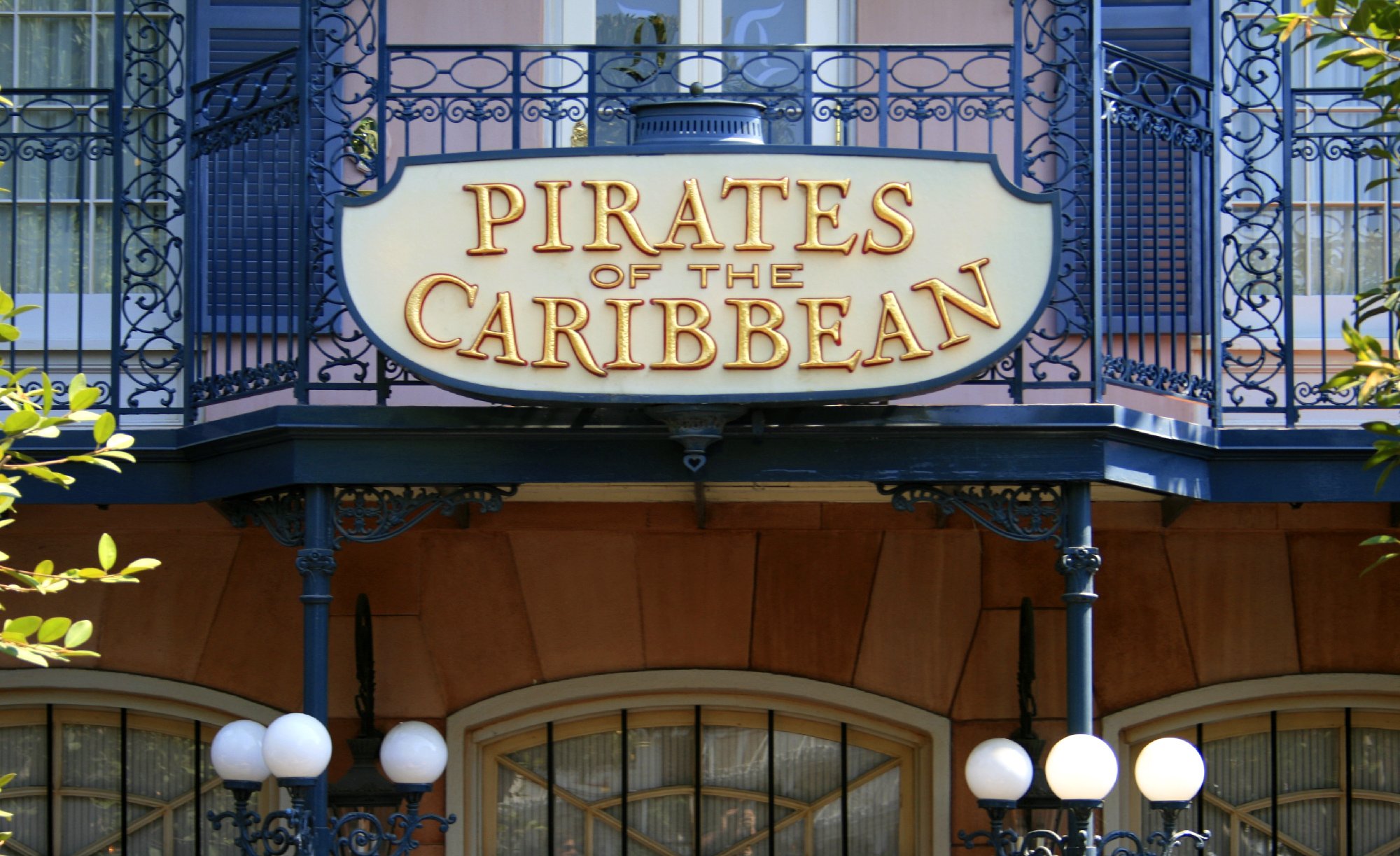
las vegasthe house of blues at mandalay bay is unique among the other ones i have seen because it is completely indoors, inside the main casino floor. this means that special design considerations had to be made to replicate the exterior/interior template of the other HOB locations. the designers decided to leverage the indoor setting to their advantage, and use a trick developed by disney back in the 1960s for their blue bayou restaurant inside the pirates of the caribbean attraction at disneyland—a nighttime sky.

las vegasthis innovative technique (disney was the first to implement it in a restaurant environment) was derived from theater scenic design, when it was necessary to stage part of a play outside at night, such as the famous window exchange between romeo and juliet. the lights are all dimmed down, the ceiling is painted black (with perhaps a star field effect), and the architecture, including the appropriate foliage, suggests that the audience is outside at night.

las vegasthe house of blues at mandalay is comprised of three distinct themed structures (rather than the single, large dwelling found at most other HOB locations) joined by a courtyard under this false night sky—the house, a church, and two dilapidated sheds.

las vegasthe house is the restaurant, the church (in a touch of delicious irony) is the bar, and the sheds are the concert venue, marquee, and box office.

las vegasin the central courtyard is restaurant seating (presumably cleared when there is a concert) and a large tree. even upon close inspection i couldn’t determine if it was real or not—i suppose it doesn’t matter. the overall feeling of the nighttime sky technique was quite effective, and reminded me very much of the prototypical example at disneyland.

even here in las vegas, inside a national restaurant chain, itself inside a casino—disney’s design influence is inescapable. they have not only codified the language of theming and provided us with the best examples of it around the world; disney has created techniques so successful that they are copied endlessly.

regime as theme – las vegas update 3.

August 19th, 2008

las vegaswhile wandering through the mandalay bay resort complex, i came across some very interesting bars and clubs.

las vegasmandalay itself projects a theme of vague exoticism and colonialism; the buddha statues and temple ruins i saw suggested somewhere in southeast asia, but it’s impossible to know for sure.

las vegasthe entire place has the upscale aura of kakis—my girlfriend called it “banana republican”—dark wood shutters, rattan chairs, palm leaves and marble. within mandalay, however, there are several bars, eateries and nightclubs that carry their own distinct themes.

las vegasthe first such place i found inside mandalay was red square. admittedly i was instantly drawn into the place by the massive, headless statue of lenin outside—complete with bird dropping stains and other signs of weathering.

las vegashere, the theme is regime—the entire club (including the “ice bar” where you can enjoy your chilled vodka basically inside a room-sized refrigerator) is styled to celebrate the 1989–1991 fall of communism in eastern europe and the dissolution of soviet russia. this is somewhat tongue-in-cheek, with logoware t-shirts being sold proclaiming “join the party!” even the name itself is a pun; literally, it references the famous area in the state capital of moscow, and as an identity mark it’s literally a red square—a snappy nod to both constructivist and minimalist design.

las vegasever since the end of soviet empire, western culture has been fascinated by the art, graphics and style of the fallen regime, and its once-revolutionary imagery. the typography—most popularly the requisite backwards “R”—have been widely appropriated (so much so that they are given a proper name, faux cyrilic). the vodkas of smirnoff and stolichnaya have packaged themselves in constructivism. mikhail gorbachev even did a television spot for pizza hut, remember that?

las vegasthe overall interior design and architecture of red square (including the graphics on their menus and souvenirs) is very, very good. the weathering and distressing on the numerous wall-sized, soviet-era propaganda posters is well-thought and adds subtle dimensions to the space.

las vegasi was particularly fond of the chandelier shaped in the onion-dome style of st. basil’s cathedral in moscow—probably the city’s most recognizable landmark.

las vegasyet in one instance, the thematic designers got it completely wrong. to each side of the main bar there is a large piece of art; both are wheat pasted onto the wall and heavily distressed.

las vegason the left is a communist propaganda poster which looks to be about 1930s–1940s in origin. completely appropriate.

las vegason the right side or the main bar is an example of russian orthodox icon art, the mother mary with the child jesus. this is a clear incongruity; all religious iconography was banned under communism. if the look and the feel is supposed to be classic soviet (and based on all the other art and design cues, it is), this piece is decidedly apocryphal. i suppose that even in themerica, no one can get it right every time, all the time.

las vegasoverall a place like red square represents a very interesting (and somewhat unique) overlap between the “hard” and “soft” narratives that exists in all thematic environments. in this example, the setting (”soft” narrative) is soviet russia; yet here there is a bit of ambiguity. the statue of lenin outside is headless—meaning that this is after the fall of communism. art pieces inside, however, represent both russian before and during communism.

the “hard” narrative is the literary, plot-driven narrative of the space. so this begs the question—from who’s perspective is the story being told? normally i don’t think this is a terrribly important issue, but with red square, the story is, by nature, ideological. are we glad that communism is over (the soviets were the antagonists) or are we lamenting its loss (the soviets were the protagonists)? the narrative here at red square is ambiguous at best.

transition zones (or lack thereof) – las vegas update 2.

August 19th, 2008

las vegaswhat has interested me most in las vegas so far are the transitional spaces—or zones—between these numerous different themes. granted, few exist, and that’s what makes vegas—apart from sheer scale and spectacle—so overwhelming, especially to the first time visitor.

las vegasit’s rather jarring to be in ancient rome and then walk a mere few feet and be on the streets of paris. humans are not equipped to process such mad leaps in physical and mental setting—not normally, that is.

las vegastransition zones ease this jump from environs to environs. disney is master of the technique, and their park designs are famous for providing subtle cues to nudge their guests into the next realm—using lighting, architecture, and landscaping to make the change as gradual and pleasant as possible. one of the reasons that macau fisherman’s wharf was such a disappointing failure was the lack of these zones.

las vegasin las vegas, they’re trying. for example, to keep patrons moving between the different casinos (many of which are owned by the same conglomerates), large pedestrian walkways were built in the mid-nineties across las vegas boulevard (“the strip”) and its major intersections.

las vegasthese walkways are fairly generic towards the middle of the span; on the south end of the strip they have metal fence guards. on the north end they are stylishly white with clear plexiglass guards. but in nearly all cases the span closest to each attraction is themed to match the destination.

las vegasso, at the excalibur (medieval fantasy) entrance to the walkway, there are the appropriate red and blue turrets and stone walls mimicking the castle design of that casino hotel.

las vegason the new york, new york (urban) side of the span, there is a rotunda, signage and walls that mesh with the collage of manhattan’s architectural icons that comprise that resort. the middle span—being generic—is a small pause, a rest for the eyes, before proceeding to the next thematic design.

las vegasanother example is the transition from excalibur (medieval fantasy) to the luxor (ancient egypt). many next-door neighbor casinos join each other by connecting their retail and dining districts. it is thus possible to walk great lengths of the strip without ever setting foot outside, which is especially nice in the extreme desert heat.

las vegashotels employ moving treadways (like the kind you see in airports) that travel up or down a grade into and out of the casinos. this is how a guest usually enters the indoor world.

las vegasonce inside and through the casino floors, these walkways are used to connect each hotel to the next. from excalibur to the luxor, you “descend” into ancient ruins and a tomb from the medieval fantasy you just left. this works in two ways; first, the moving walkway travels down a grade, so you actually perceive going underground.

las vegassecondly, there is a clear marker from one theme to the next—a large mass of ancient stone. it is as if you had “broken through” under medieval europe to discover the ancient world (although the delineation is clean and not quite “broken” owing to the more straightforward intentions of the designers).

unlike disney theming, which employs an effective sensory gradient to ease guests from one area to the other, vegas tends to end one theme and begin another, with either a generic and un-themed break between, or a very obvious marker between the two, with no such break. the town would do well to take a look at how disney does things, but it’s doubtful they will—the subconscious agitation caused by this transition-less thematic overload probably contributes to the public’s desire to gamble more.

the all-you-can-see thematic buffet – las vegas update 1.

August 17th, 2008

las vegasafter returning from asia, i had a couple of weeks rest before setting off for las vegas, arguably the thematic capitol of america, if not the world. nothing could be more stimulating…

las vegasdon’t care for italy (the venetian)?

las vegastry france (paris).

las vegastired of ancient egypt (the luxor)?

las vegasstroll down to ancient rome (caesars palace).

las vegaslake como bore you (bellagio)?

las vegasthe french rivera is mere steps away (monte carlo).

las vegasthe hustle and bustle of manhattan (new york, new york) not to your liking?

las vegasthen the legends of arthurian england (excalibur) is just across the street. if it sounds tiring, it is. after a few days—no, hours—in this fantastical unreality, everything blurs together. it’s dizzying.

las vegasi stayed my week in las vegas at the tropicana, which is one of the oldest remaining casino hotels on the strip (1957) and as such is probably in the greatest danger of being the city’s next big implosion (though they are the first to deny it). granted, i picked the place not for its style but because it was the cheapest room in town.

las vegasthe most remarkable feature of the desert, from a development standpoint, is not the lack of water, nor the scorching heat, nor the difficulty in raising crops and animals. it’s the emptiness. deserts are the stuff of dreams (or more often, mirages) because they represent a blank slate. for those that wish to build proverbial castles in the sand (and excalibur is a perfect example), there is an awful lot to work with.

las vegasowing to their diversity and their proximity, the thematic offerings of las vegas are not unlike the city’s famous buffets. where one might end up with some pieces of chicken, a bunch of lettuce, a sampling of random pasta bits and a small pile of sunflower seeds (buffets always seem to be so random a practice)—here in las vegas your thematic plate might consist of an evening spent on a lake in the italian alps, the streets of grenwich village, a pirate’s cove in the tropics, king tut’s tomb, and the canals of venice. and that’s just one night.

las vegasthe contemporary strip of las vegas is an interesting amalgam of the oldest and the newest, although the old is quickly fading away.

las vegasof all the major casino hotels, only six actual major structures predate the 1990s building boom—the flamingo (1946), the sahara (1952), the tropicana (1957), caesars palace (1966), harrah’s (1973, as the holiday casino) and bally’s (1973, as the first mgm grand). of those, only three retain their original themes and names.

las vegasthe strip thrives on re-inventing itself, and rather than spread out and develop more land (which would disrupt pedestrian cross-traffic between casinos), the mantra is to tear down and rebuild, or graft more layers onto existing structures.

theming gone wrong – macau update 5.

August 16th, 2008

macau fisherman's wharfthus far, most of the thematic design that i’ve come across in my travels—be it the disney parks in california, orlando, paris, tokyo or hong kong; or the desert daydreams of burgeoning dubai—has been fairly top-knotch, in both strength of vision and quality of execution.

macau fisherman's wharfand then i came to macau fisherman’s wharf. at the recommendation of a local bartender at the hollywood hotel (where i was staying at the hong kong disneyland resort) and my lonely planet guide—which called it “kitschy”—i decided to conclude my day in macau here, near the sands casino at the water’s edge next to the ferry terminal where i would be departing. this “wharf” is a multi-use (entertainment venues, amusement rides, shopping and dining) thematic environment with no general admission charge (and no connection to the fisherman’s wharf of san francisco, either).

after five years of construction (five years!), the space soft-opened in december of 2005 (well-timed to the september opening of hong kong disneyland that year) with an official opening a year later on december 31, 2006. the complex includes over 150 stores and restaurants, a hotel, and a casino. and it’s a total mess. granted, las vegas has double the variety of macau fisherman’s wharf; yet here there is such a disconnect between the buildings and their functions, not to mention the jarring contrast between all the disparate themes, that the place is just shockingly bad.

macau fisherman's wharfthe theming makes so little obvious sense to visitors, in fact, that each design has to be specifically listed on the master guide map display. all 26 of them. the official website declares:
“the importance of macau fisherman’s wharf in the entertaining life is anchored by the fascinating events and promotional activities which make macau fisherman’s wharf a hive of pursuit every day.”

macau fisherman's wharfi’m not sure what that means. but the main entry to the wharf off the street leads directly into a classical civilization theme.

macau fisherman's wharfthis is the other side of this ROMAN AMPHITHEATER area. unfortunately, it looks ridiculous—and looses all sense of power—when flanked in the background by the golden glass towers of the sands casino.

macau fisherman's wharfif you isolate any one of the numerous elements, however, they tend to stand alone rather well. the details of these roman ruins are realistic and have the proper sense of scale.

macau fisherman's wharfturning to the left, i found ALADDIN’S FORT. apparently, disney does not have a monopoly on classic literature of old, no matter how well-recognized their re-tellings have been.

macau fisherman's wharfoverall, the place had a deserted, creepy feeling—almost where tom hanks was granted his wish to become big. see the strange angry mouth in the gate? yeah, creepy.

macau fisherman's wharfagain, on a micro-level, the individual details are pretty good—not disney, for sure; and not dubai—but perhaps on the same stage as a mid-budget las vegas casino resort. it might very well be one of the best designed, yet worst, thematic environments in the world.

macau fisherman's wharfthe typography and wayfinding is positively awful—check out this shiny brass signage laid out in lithos bold.

macau fisherman's wharfthe weirdest area of the wharf is part of aladdin’s fort, where in an attraction appropriately called war game, you can chose to play either terrorists or special forces and fight it out in an arabian-style village marketplace. gee kids, do you want to play a marine commander or an al qaeda cell leader? scary. if you’re morbidly interested, here is a clip on youtube.

macau fisherman's wharfthe central courtyard around this war game area contains some children’s amusements (think county fair quality rather than disney’s fantasyland). why they would choose to put the kiddie rides right next to the death-match, i’ll never know.

macau fisherman's wharfthe volcano area in the background is called VULCANIA and contains some sort of arcade which was closed that day. again, disney doesn’t have a monopoly on the jules verne source—this mountain and theming are an obvious rip-off of mysterious island area i posted about earlier at tokyo disneysea. done on the cheap.

turning back to the right and walking south, i came to a long avenue of every type of thematic architecture all in a row, crammed together. imagine all the lands of disney laid out on a single boulevard, with no transition zones between and no continuity (or even any design plan) to link the themes to one another.

macau fisherman's wharfone moment, you’re in england…

macau fisherman's wharf…and across the street, the caribbean.

macau fisherman's wharfa bit further down is the netherlands…

macau fisherman's wharf…and then, without reason, portugal. (well, not completely without reason, macau was a portuguese colony for nearly 400 years—at least something here makes sense).

macau fisherman's wharfaround the corner is the southern united states; specifically, louisiana. yet again, the detailing—taken out of context—is pretty good. this ironwork is worthy of new orleans square in disneyland.

macau fisherman's wharfadjacent is “mississippi.” not sure why this isn’t part of the new orleans theme next door, but that’s what the guide map says.

macau fisherman's wharfback to the tropics of the caribbean now; the design is vivid, colorful, and well executed. too bad i have no idea why i am here and what the story is supposed to be.

macau fisherman's wharfthen, without warning, i am magically whisked away to the middle of africa.

macau fisherman's wharfsorry—i meant the afrikana. this is an outdoor “luau-style” restaurant experience.

macau fisherman's wharfat the far south end is a casino, done in some vague art deco style. pretty to look at, but without purpose. this might be the most foreign of all the designed areas, and yet it lacks the most sense of place.

macau fisherman's wharfback all the way towards the north end, beyond the vulcania mountain, lies some chinese imperial architecture done in very well-designed forced perspective. i’m impressed, but as a visitor i just don’t care. it doesn’t make narrative sense; it isn’t immersive.

macau fisherman's wharfwhich is a shame, because some of these vistas are delightful.

macau fisherman's wharfthey lead into the very north tip of the macau fisherman’s wharf complex, the TANG DYNASTY temple area, which contains attractions not yet open to the public.

why does macau fisherman’s wharf fail then, if many of the design elements—by themselves—are successful? the answer is one of the key components of thematic design, and its one that you really don’t notice until it’s absent: cohesion.

in order for thematic spaces to fully envelop their visitors and/or inhabitants, they must be cohesive. within a single themed environment, this is not very difficult; pick the theme, and stick to it rigorously without fail. carry design expressions of the theme across disciplines, from the macro to the micro. for a multi-themed environment, however, this is a bit more challenging. the individual themed areas—such as was mostly the case here in at this complex in macau—may be cohesive on their own. but do they make sense together? there are two primary ways to accomplish this unity.

disneyland does it primarily through navigation; the central plaza hub act as a dial which the guest uses to select their fantasy (not altogether unlike the actual television set dials of the times). in this way the themes do not unfold haphazzardly—they are chosen from a somewhat neutral location. second, disneyland also accomplishes this via transition zones; when a guest leaves one theme for another, there are subtle cues (visual, auditory and even olfactory) that ease the leap from one realm to another without jarring dissonance. the relative psychological distance traveled from america of 1890–1910 to the jungles of equaorial africa is thus lessened by minute changes in the walking surface, the vegetation, the architecture, etc.

macau fisherman’s wharf has none of these, however. and i really felt lost as a result. without navigation cues or transition zones, the complex not only felt overwhelming, it also made no sense. why were these various locations connected? the promotional materials stated they were “maritime cultures”—fine, but show me. macau fisherman’s wharf fails on all accounts, and it’s really a shame, because as i’ve noted—and hopefully these pictures show—the individually designed elements are (for the most part) successful.

it’s a matter of cooking—here we have an assortment of fine dishes, presented without connection to each other, in random order. hence; there is no meal.

lost in marco polo’s italy…and still in china, actually – macau update 4.

August 13th, 2008

venetian macauthe venetian macau’s grand canal shoppes are very similar to the original design in las vegas—yet about double the total size (something like 149,000 square meters, spread over two stories).

venetian macaurather than a single, winding route with a few forks, the space forms a circular ring shape in which three main canal routes are connected by a series of plazas. this forms roughly a hub-and-spoke format (similar to disneyland, actually) with the main escalators, down to the casino on the ground floor, in the center.

venetian macaui’ve wandered through the the venetian in las vegas a couple of times before, so the concept here was not foreign to me—but the signage certainly was.

venetian macauit was oddly curious to see traditional chinese characters pointing me towards st. mark’s square (not piazza san marco?), for example, given marco polo’s travels to china during nearly the same italian period depicted in this thematic environment.

venetian macauthe false skies i first saw at shopping malls in dubai are used here to the same ends—a sense of timelessness and indoor-as-outdoor that confuses the eye and confounds the understanding.

venetian macauforced perspective is carefully employed to give all the shop facades added verisimilitude, combined with vibrant color hues and ornate detail work at every turn. despite being patently fake, the overall design is certainly impressive.

venetian macauthese canals really distort the senses—i was here about two or three hours but it might just as well have been two or three minutes (or two or three days, for that matter). part of this is not only in the lighting and setting, but the overall din; shoes scuffling, patrons talking, children shouting, and all of it echoed and thus amplified.

venetian macauthis also made the setting noticeably less peaceful that outdoor thematic venues such as a disney theme park, and made it harder for me to suspend disbelieve and succumb to the illusion.

venetian macaumore than anything, it was the timelessness that i fell prey to, which i suppose, in a casino/shopping complex is the desired effect. i don’t enjoy gambling—but if i did, i would have felt the urge probably as pressing as my persistent hunger and thirst. the one thing i didn’t feel was tired, however. like wasting away the wee hours in front of a computer monitor, the omnipresent artificial light stimulates (well, more like pokes and prods) the cortex and fights off circadian rhythms from taking hold.

venetian macaubright blue, chlorinated waterways with singing gondoliers; a synthetic, backlit clouded blue sky; electric lampposts subtly flickering like candles—what would marco polo make of this place; moreover, what would he think about having never left china at all?

ireland by way of hong kong by way of britain by way of new york (whew!) – macau update 3.

August 13th, 2008

venetian macaujust down the way from the old neptune restaurant at the venetian macau i encountered another cross-cultural theme within a theme, when i sat down to order a kilkenny at mcsorley’s ale house. this is where things get really convoluted, and further illustrate the interwoven, overlapping, confusing, postmodern nature of thematic design.

mcsorley’s resembles just about every other themed irish pub i’ve ever been in—and irish pubs are one of the oldest mainstays of thematic restaurant design in the united states. they run the gamut from authentic to downright plastic, and mcsorley’s feels more the former; in and of itself, a pleasant yet unremarkable venue.

venetian macauwonderfully staged prop vignettes fill the second floor’s ledges, and each wall of the pub has a different theme. there is this scene for farm tools, for example.

venetian macauand another for gentlemen’s sports of the british isles.

venetian macauand also this one representing rail and steamship travel.

venetian macauguinness advertising ephemera (typical at all other such pubs), along with poetic witticisms of ireland’s most famous drunks—i mean authors—cover the walls (typeset in large, green, gaelic script, of course). certainly out of place within the venetian, but not unheard of. not the giant leap i was required to make to enter the old neptune. that is, until i did my research.

this mcsorley’s ale house is a hong kong chain (with three locations, including macau), and is itself a thematic representation inspired by mcsorley’s OLD ale house in the east village, manhattan. this (original) mcsorley’s is quite famous as bars in america go—it opened in 1854 and was one of the last “men’s only” pubs, admitting women only by supreme court lawsuit in 1970, and counts abe lincoln, teddy roosevelt, boss tweed, and woody guthrie, among other luminaries, as former regulars. the place is simply legendary.

mcsorley’s old ale house in new york is not a themed venue; design-speaking, it developed slowly and organically over time, and only by virtue of its long history has come to represent “olde new york” in the eyes of its current patrons.

venetian macau the mcsorley’s chain in hong knog was inspired by this classic bar, yet retains a much more traditional irish pub feel—actually, it feels more british than anything, from the beer selection to the fish ‘n’ chips served in newspaper. this anglicized expression—rather than american of the source—comes, of course, from the long years of british rule over hong kong; such pubs here are a dime a dozen.

yet here at the venetian macau—inside the italian renaissance—i’m drinking a pint in ireland, by way of the hong kong mcsorley’s ale house chain, by way of the britain colonization of the region, by way of mcsorley’s OLD ale house in new york city. and more than the beer is giving me a headache. am i in a thematic representation of an old english pub, an old irish pub, an old american bar, or an old kong kong pub? or all of these at once?

themes inside themes – macau update 2.

August 13th, 2008

venetian macauwalking around the venetian macau (somewhat lost, admittedly) for several hours—the place is twice the size of its las vegas sister, the single largest building in asia and the third largest in the world—i came across some oddities (apart from the expected indoor gondoliers) that gave me pause.

like many other large casino resorts, this hotel contains an extensive interior dining and upscale retail district—the grand canal shoppes—unified within the master theme (in this case, renaissance italy). yet in order to provide a sense of variety (not everything can be a pasta ristorante or a gelato shop, right?), other venues have taken root inside. like russian nested dolls, these are themes inside of themes.

venetian macaua traditional cantonese restaurant startled me as i walked by—the old neptune, a smaller satellite location of a larger entity apparently established in 1986 (according to the venetian macau’s dining website). ordinarily, i would think that a chinese restaurant in macau would require very little design flourish to draw patrons. not so inside the venetian. because the casino complex is itself so lavishly themed—visually “shouting” as it were—this tiny eatery must be just as “loud” to compete. in this way, multiple thematic venues within the same space are like a cacophony of advertising billboards crying out for the attention of passer-bys. i would think that this principle is what drives a place like las vegas to greater and more extreme levels of thematic design; it operates here much the same (perhaps more sedately).

venetian macaueven for this single small restaurant, though, care has been given to provide a transition zone or “buffer” between the italian grandeur outside, and the aura of classical china within. an artificial sky—identical to those used in the larger grand canal area beyond—isolates the fortress wall architecture and imperial roofline so that they stand apart from the venetian’s gilded gold, carpeted hallways just outside the doorway.

venetian macauthe interior space of the old neptune smacks of most other chinese themed restaurants—notably the american, hollywood-ized, chinatown model. which caused me to wonder, why? we’re already in china, right? why does thematic design have go so overboard to immerse me in china if i’m already there?

venetian macauand then this complex layering of aesthetic meaning began to unravel; i’m not in china, i’m in a former 400 year-old portuguese colony (macau is both the first and the last european presence in the region, from the 16th century until the end of the twentieth). yet moreover, i’m not even in macau, i’m in venice—and not the even the venice of now, but the height of venice in all its glory, the italian renaissance.

venetian macauformerly portugal, now the china of today but also italy of the past—and i somehow have to make the colossal leap backwards through time and space to enjoy cantonese cuisine in a quiet classical asian setting. the old neptune restaurant not only struggles to project its theme against the the visual competition of its splendid spacial parent, the venetian, but across the massive rifts that keep it from its actual cultural roots—the glories of china old.

venice goes global – macau update 1.

August 13th, 2008

venetian macauon my second day in hong kong, i decided to take a ferry to nearby macau, the world’s gambling capitol (its gaming revenues surpassed former global mecca las vegas in 2005). ever since the local casino monopoly was opened to foreign operators seven years ago, american-style mega-resorts have been popping up on the burgeoning “cotai strip.” the sands macau opened in 2004, the wynn in 2006, and the MGM grand followed in 2007.

venetian macauthat same year brought the arrival of the venetian macau, the city’s first major themed casino resort. accordingly, it’s where i spent much of my day wandering around.

venetian macauthe venetian macau is a manifestation of the very same phenomenon that i witnessed at the hong kong disneyland resort—a sort of copy-of-a-copy degradation. just like the main street U.S.A. at that park strives to be a “100% copy of the american original,” so too does this $2.4 billion, 980,000 square meter mega-resort strive to replicate the las vegas original (opened in 1999), which of course is itself a replication capturing the essence of venice and the romance of the italian renaissance.

venetian macauin the initial vegas design, every effort was made in name of “authenticity”—the publicity materials routinely boast of the scrupulous attention to detail with regards to the architecture, fine art and finishing touches.

venetian macauall of these designs in turn were the basis for the macau casino hotel. the theme is no longer venice; the theme is the venetian itself.

venetian macaujust as the original disney park “magic kingdom” model has become a global brand, replicating itself across three continents (albeit through varied mutations that reflect local culture, economy, geography and climate), so too has the exotic las vegas mega-resort now been transformed into an self-contained, exportable thematic package.

venetian macauif theming is by definition always referential, what happens when its design language is fully internalized, drawing not on external visions but rather caught in a narcissistic navel gaze? where the only reference is the reference? the themes of the twenty-first century are not times and places of old; they are themes of already established design properties—themes of themes.

the art of disney typography – hong kong update 6.

August 13th, 2008

like many other disney design projects, each themed area contains many graphical elements and small illustrative details that add to the overall impression and strengthen the reality of the illusion. these touches are essential to successful thematic design, and are especially key when attempting to re-create a particular historic era. i’ve posted some of the more interesting examples from the hong kong disneyland resort below. all images are © disney enterprises.

hong kong disneylandadventureland’s jungle river cruise is adorned with a large illustrative sign.

hong kong disneylandthe nearby restraurant features a large, hand-painted wall mural advertisement for the attraction with various typefaces true to the period (1920s–1940s).

hong kong disneylandthis additional sign atop the jungle cruise shed roof elaborates on the nature of the attraction, in beautiful hand-lettering.

hong kong disneylandthe graphics at this tropical eatry accurately capture the mid-century american tiki craze.

hong kong disneylandmore retro-1950s tiki styling, this time in dimensional letterforms.

hong kong disneylandit was curious to see traditional chinese script integrated with early twentieth century american lettering.

hong kong disneylandmost of hong kong disneyland’s main street U.S.A. contains dimensional letterforms rather than the illustrated placards and advertisments more common at other disney parks.

hong kong disneyland

hong kong disneylandalthough here is an exceptional hand-lettered example from the midtown jewelry store.

hong kong disneylandthis sign in fantasyland is very similar to other such pieces at all disney parks—old english script-style lettering that reflects the medieval bavarian theme of the area.

feng shui, the disney way – hong kong update 5.

August 12th, 2008

hong kong disneylandone of the most interesting facets of the hong kong disneyland resort is the attention that was paid to traditional chinese design principles—and not superficially, either. a resident feng shui master of hong kong consulted very specifically on the masterplan for the resort project and worked directly with wing chao, executive vice president for disney master planning and vice chairman for disney asia/pacific development (and a native born chinese).

hong kong disneylandfor example, unlike any other disney park around the world, guests do not approach the entrance directly. instead there is a central plaza, complete with a fountain (moving water is considered both good fortune and sound design), that everyone walks though before sharply turning right to enter the park.

hong kong disneylandthe ‘dog leg’ turn from the central plaza is evident on the above resort map.

hong kong disneylandthis is because according to the chinese principles of feng shui, evil spirits can only travel in straight lines. as you walk towards hong kong disneyland from the transportation center / MTR line, you can’t see the park at all—and neither can those pesky evil spirits.

hong kong disneylandthere are no straight paths throughout the entire resort area (the only exception being the thoroughfare leading up to and including main street U.S.A.); all of them wind slightly.

hong kong disneylandlandscaping is omnipresent, and is groomed in the traditional chinese classical garden style. the main entrance to the park is orientated in a north-south direction to ensure maximum advantage from the green dragon mountain to the east and the white tiger mountain to the west. all doorways at the resort are positioned to maximize the flow of positive energy. fittingly, cash registers are close to corners or along walls, where such placement is believed to increase prosperity.

in addition to these spacial design considerations, the chinese obsession with numerology was addressed in various ways. the number eight is the luckiest (hong kong’s bank of china opened on august 8, 1988 to insure future prosperity; the beijing olympic games opened on that same extremely lucky day this year) and the number four is the worst, signaling death. accordingly, the main ballroom at the hong kong disneyland hotel, often used for weddings, was intentionally designed with a floor area of 888 square meters, and the fourth floor was deliberately omitted from both hotel properties. you will also find no numerical references (addresses, years, etc.) on main street with the number four in them.

hong kong disneylandthe incorporation of feng shui into the thematic design of the hong kong disneyland resort is its single most interesting and unique feature, especially given the design duplicity of main street and sleeping beauty castle (which gives the park a carbon-copy feel)—but it’s only part of the equation. all over hong kong disneyland, small details show a distinctly chinese flourish to the design. this is in marked contrast to the tokyo disney resort, where a more purely american-style approach is favored (the japanese like to think of going to their disneyland as like visiting the states for the day).

hong kong disneylandfor example, just like the original disneyland, there is a snow white’s wishing well just to the right of the castle; as in california, all coins thrown into the fountain are regularly collected and given to children’s charities.

hong kong disneylandhere there have been very conscious efforts to make the wishing well appear (and thus function) more like a chinese buddhist shrine. the roof line edges have a slight upturn in the asian classical temple style, but the wishing well still conforms to the general thematic design of fantasyland’s medieval bavarian architecture.

hong kong disneylandaccordingly, the chinese touches are subtle enough that the well still works perfectly in concert with neighboring sleeping beauty castle.

hong kong disneylandjust behind the castle and to the right in fantasyland are the fantasy gardens. the very existence of this space in the park’s initial masterplan demonstrates a careful consideration for chinese culture.

hong kong disneylandthis space contains no attraction or show, its only function is a walking place for quiet contemplation—an ancient asian passtime.

hong kong disneylandhere too traditional chinese architectural accents can be found.

hong kong disneylandthe asian flavors of tomorrowland are a bit more obvious, and suit the bright, pop-space-fantasy theme of the area quite well.

hong kong disneylandroof curves, while still modernistic and other-worldly, still contain traditional upturns on the tip.

hong kong disneylandthe wavy roofline structure of the restaurant buildings at first seems whimsical, but upon closer inspection, it nods to classic chinese design formats.

hong kong disneylandminiature turrets, built using forced perspective, add layers of depth to tomorrowland’s asian stylings. these small features manage to convey alien planetoids with rings as well as the grand palaces of imperial china. again, this is not an attempt at a more direct architectural simulation (as on main street)—rather it’s a unique amalgam of referenced styles.

hong kong disneylandthe landscaping of autopia is meticulously groomed in a chinese classical topiary format, making a drive through it very relaxing (and, given a moment of thought, very traditionally asian as well).

hong kong disneylandit’s fitting that disney designer john hench’s original concept sketch for space mountain was based on japan’s mount fuji—here in hong kong disneyland (much more than even at the tokyo park) the design feels completely at home among these asian gardens.

hong kong disneylanddespite the shortcomings i’ve mentioned in previous posts, it is this seamless incorporation of chinese traditional design practices that makes the hong kong disneyland resort a rewarding experience. the park is a good example of how theming—in order to be properly received by a specific regional audience—must be carefully adjusted and rethought.

spaces really do need people – hong kong update 4.

August 12th, 2008

hong kong disneylandthe overall lack of crowds at hong kong disneyland made for an unusual visit—at times the park felt like a ghost town, abandoned and eerily quiet; almost as if the majority of the guests were heading home for the day, and i had somehow eluded detection and had stayed behind to explore on my own.

hong kong disneylandthis is not a comment on the park’s popularity, per say—because of the oppressive humidity and oft-rain showers, most of the summer remains an off-season time for the resort; i was also spending my time there during the middle of the work week.

hong kong disneylandif it had visited during the fall and winter’s peak tourist season—or worse, during the chinese new year (when even the wait for fast food is nearly an hour)—the experience would have been markedly different.

hong kong disneylandat first i was delighted; hong kong disneyland seemed like mine alone to enjoy. yet this quickly wore off, and i began to realize that the crowd dynamic is a very strong component of the thematic experience.

hong kong disneylandwithout a population, main street U.S.A. comes off as just another movie set sitting idle, awaiting filming.

hong kong disneylandsimilarly, the lack of cues on nearly every attraction (i rode space mountain five times in a row in less than an hour) was a novelty that soon lost its luster.

hong kong disneyland
there simply wasn’t enough time in just five minutes per attraction to adjust to each new thematic environment. also, without waiting, there is no anticipation built up before each new stimulation; after a short time, every new sight, sound or smell blended together into one long, bland buffet.

hong kong disneylanda buffet in which everything seems to have been siting under the heat lamp all day. like a restaurant with a long wait (”something must be good in there!”) draws an even longer one, an empty restaurant excites and invites no takers.

hong kong disneylandthematic environments are most effective in an interactive social context; they are, despite my suspicions, better when somewhat crowded with bodies. not only does the constant flow of kinetic energy add to the liveliness of the designs, but the presence of a community inhabiting the spaces gives them an added touch of reality.

hong kong disneylandeven if this crowd is constantly posing with cameras, eating and drinking, and chasing enthusiastic children—the dynamic is similar to any heavily visited site; tourist behavior is pretty much the same at a real bavarian castle as at hong kong disneyland’s diminutive simulation.

hong kong disneylanda site is hardly a sight without the requisite “seers.” people needs spaces, but spaces also really do need people.

future fantasies – hong kong update 3.

August 12th, 2008

hong kong disneylandin terms of design direction, i found the hong kong tomorrowland area the most interesting. the original concept at disneyland’s opening in 1955 was a “world of the future: 1986″ (representing the next return of halley’s comet). walt disney intended the area to be a constantly revolving and updated showcase of the most current technological advancements in the industrial sector and in transportation—both of which he was personally fascinated by.

hong kong disneylandprojecting this future has been problematic since the earliest days of the park; either your predictions are wrong and turn out laughable, or they are correct and your vision quietly becomes passé. walt disney himself saw his land of the future go through three major revisions in just over its first decade (remodeled in 1959 and again shortly after his death in 1967).

when the time came to develop concepts for disneyland paris in the late 1980s, the designers had learned from their mistakes—theming requires a degree of control and the future, by definition, cannot be controlled. thus, as is so often the case with thematic design, they turned to the past for inspiration. instead of a tomorrowland, the park in paris would have discoveryland—a retro-futurism vision of what past science fiction and fantasy luminaries thought the future would look like. the works of jules verne, H.G. wells and leonardo da vinci were carefully woven into a single meta-narrative with a victorian steampunk aesthetic (see my previous post on mysterious island at tokyo disneysea for a more in-depth discussion of this style).

besides being a refreshing and innovative theme, the design of the paris discoveryland solved a key problem—rather than project what might come to pass, it’s easier to fantasize about those that already have.

hong kong disneylandthe approach was so successful that in 1994, a remodeled tomorrowland at walt disney world’s magic kingdom opened to rave reviews. billed “the future that never was, is finally here,” this reboot injected the original technological utopia with a healthy does of fantasy (and plenty of neon). drawing on early twentieth century american science fiction legends such as buck rogers, the new design featured early modernism combined with 1930s and 40s art deco; the focus was again on past visions of the future, albeit this time more recent and definitely more american.

in 1998, the disney designers once again took a look at the original tomorrowland in anaheim and saw the need for change. taking cues from discoveryland and florida’s new remodel before it, disney gave the area a bevy of (some would argue mostly superficial) alterations, ranging from new architectural accents to new neon lighting effects and a completely fresh color palette of gold, burgundy and emerald. whatever the extent of the redesign, once again the emphasis was on fantasy and not prognostications.

after this flurry of remodeling, only the tomorrowland at tokyo disneyland remains largely what it was on opening day in april, 1983—a white concrete urban utopia of corporate control and technological supremacy (based on both the 1967 redo at disneyland, and walt disney world’s original 1971 opening day model). i wonder if the japanese view this as a ‘past representation of the future’ and hold a certain nostalgic attachment to it—certainly here in the states, it is a design period (and philosophy) that fails to capture current audiences’ imaginations.

hong kong disneylandwith the design of hong kong disneyland, however, any pretense of futurism has all but been erased from the tomorrowland formula—this is science fantasy, not science fact.

hong kong disneylandthe architectural features, color palette and graphics style are all playful with an almost comic book vitality. the feel is very, very pop; bright and colorful.

hong kong disneylandthis approach makes sense, given the popularity of sci-fi/fantasy—not to mention graphic novels and manga—throughout asia; it’s a language that the native audience grasps fairly intuitively.

hong kong disneylandthe overwhelmingly whimsical approach is far beyond even the steampunk victorian stylings of paris and tokyo disneysea’s mysterious island; well beyond the fanciful neon rings of the magic kingdom’s “future than never was.”

hong kong disneylandhere in hong kong there is, in essence, no tomorrow left in tomorrowland. i suspect the name was kept only to tie the park closer to the original in california.